




• Contact
Central

TLC Central

ACTA

Faculty of Dentistry

EB

Economics & Business

FdG

Faculty of Medicine

FdR

Amsterdam Law School

FGw

Faculty of Humanities

FMG

Faculty of Social and Behavioural Sciences

FNWI

Faculty of Science

Popular topics

Courses

Take a look at all the courses of TLC

Inspiration from colleagues

Read our Teacher Stories from fellow colleagues

Education innovation and exhibitions

Learn about initiatives, grants and how educators implement innovative ideas

Central

TLC Central

ACTA

Faculty of Dentistry

EB

Economics & Business

FdG

Faculty of Medicine

FdR

Amsterdam Law School

FGw

Faculty of Humanities

FMG

Faculty of Social and Behavioural Sciences

FNWI

Faculty of Science

  • Contact
Faculties
Central ACTA EB FdG FdR FGw FMG FNWI
FNWI
  • Teacher Development
    • Courses & workshops
    • Programmes
    • New lecturers
    • Consultation
    • E-learnings
  • Knowledge Sharing
    • Didactic themes
      • Active learning
        • Active Learning – Good Practices
      • Assessment
        • Assessment cycle
        • Inspiration for assessment
      • Blended learning
      • Motivation
      • Teaching & GenAI
      • Timesavers
    • Lunch talks
    • Events
    • Open Educational Resources
    • Special Interest Groups
    • Teacher stories
  • Innovation
    • STEM Active Learning Guide
    • Active Learning Spaces Science
    • TLC Science Video studio
    • Grants
      • Grassroots grant
    • Projects TLC Science
      • GenAI pilots TLC Science
    • Assessment network
    • Programmes on curriculum level
      • Visible Learning Trajectories Programme
  • Research
    • Ongoing themes
      • Blended education
      • Online education
    • Policy- and practice-oriented
    • Research Fellows Progamme
  • Contact
  • Tool selector
  • Courses & workshops
  • Programmes
  • New lecturers
  • Consultation
  • E-learnings
  • No categories
  • No categories
  • No categories
  • No categories
  • Didactic themes
    • Active learning
      • Active Learning – Good Practices
    • Assessment
      • Assessment cycle
      • Inspiration for assessment
    • Blended learning
    • Motivation
    • Teaching & GenAI
    • Timesavers
  • Lunch talks
  • Events
  • Open Educational Resources
  • Special Interest Groups
  • Teacher stories
  • Active learning
    • Active Learning – Good Practices
  • Assessment
    • Assessment cycle
    • Inspiration for assessment
  • Blended learning
  • Motivation
  • Teaching & GenAI
  • Timesavers
  • Active Learning – Good Practices
  • No categories
  • No categories
  • Assessment cycle
  • Inspiration for assessment
  • No categories
  • No categories
  • No categories
  • No categories
  • No categories
  • No categories
  • No categories
  • STEM Active Learning Guide
  • Active Learning Spaces Science
  • TLC Science Video studio
  • Grants
    • Grassroots grant
  • Projects TLC Science
    • GenAI pilots TLC Science
  • Assessment network
  • Programmes on curriculum level
    • Visible Learning Trajectories Programme
  • No categories
  • GenAI pilots TLC Science
  • No categories
  • Ongoing themes
    • Blended education
    • Online education
  • Policy- and practice-oriented
  • Research Fellows Progamme
  • No categories
  • No categories
  • No categories
  • Grassroots grant
  • No categories
  • No categories
  • No categories
  • Visible Learning Trajectories Programme
  • No categories
  • No categories
  • Blended education
  • Online education
  • No categories
  • No categories
  • No categories
  • No categories
  • No categories
  • No categories
  • No categories
  • Popular topics

    Courses

    Take a look at all the courses of TLC

    Inspiration from colleagues

    Read our Teacher Stories from fellow colleagues

    Education innovation and exhibitions

    Learn about initiatives, grants and how educators implement innovative ideas

    Central

    TLC Central

    ACTA

    Faculty of Dentistry

    EB

    Economics & Business

    FdG

    Faculty of Medicine

    FdR

    Amsterdam Law School

    FGw

    Faculty of Humanities

    FMG

    Faculty of Social and Behavioural Sciences

    FNWI

    Faculty of Science

    FNWI
  • Teacher Development
    • Courses & workshops
    • Programmes
    • New lecturers
    • Consultation
    • E-learnings
  • Knowledge Sharing
    • Didactic themes
      • Active learning
        • Active Learning – Good Practices
      • Assessment
        • Assessment cycle
        • Inspiration for assessment
      • Blended learning
      • Motivation
      • Teaching & GenAI
      • Timesavers
    • Lunch talks
    • Events
    • Open Educational Resources
    • Special Interest Groups
    • Teacher stories
  • Innovation
    • STEM Active Learning Guide
    • Active Learning Spaces Science
    • TLC Science Video studio
    • Grants
      • Grassroots grant
    • Projects TLC Science
      • GenAI pilots TLC Science
    • Assessment network
    • Programmes on curriculum level
      • Visible Learning Trajectories Programme
  • Research
    • Ongoing themes
      • Blended education
      • Online education
    • Policy- and practice-oriented
    • Research Fellows Progamme
  • Contact
  • Menu

    Welcome to the STEM Active Learning Guide!

    Teaching STEM subjects is a complex task that comes with its own challenges. This guide can help you make your STEM teaching more active and keep students engaged throughout your course.  

    I want to

    Understand why active learning works in STEM

    The effectiveness of active learning in STEM explained by cognitive load theory.
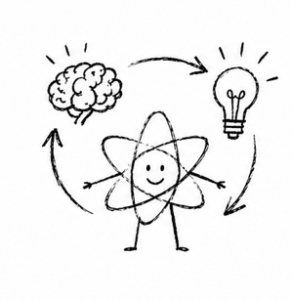
    Learn why it works
    Erase common misconceptions

    Common worries and rumours about active learning are debunked here.
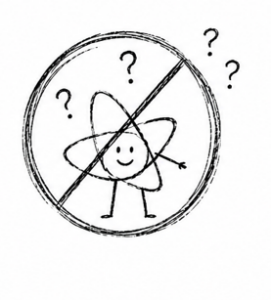
    Bust some myths
    Get quick first aid for passivity emergencies

    Quick fixes for a lack of activity in your classroom.
    Help me!
    Discover teaching formats in the 'STEM activity finder'

    Find structured active STEM teaching ideas that fit your goal, with clear steps and tips for implementation.
     

    Browse and find
    Read peers' best practice stories

    Find out how peer lecturers in STEM and Life Sciences have already implemented active learning methods.
    Get inspired
    Get advice on how to get everyone on board

    Strategies and a pep-talk on how to get started with active learning, and include co-lecturers, TAs, and students in the process.
     

    Hop on board
    Learn & co-create my STEM teaching with TLC Science

    Personalized advice, workshops, brainstorm-sessions for STEM teaching teams, inspirational interactive talks; it’s all possible.
    Explore the options
    Browse resources

    An organized overview of background reading, literature evidence, and all documents, templates, and examples presented in this STEM active learning guide.

    Browse resources

    Frequently asked questions

    How can I implement active learning in large groups?

    (Re)designing active learning for a large group size can be challenging. Here is a quick link to all tips and information regarding large groups in this guide:

    • Why active learning is not just for small groups
    • Small activities that can be added to classic lectures  in a lecture room –-> click ‘Help, I want to make my passive lectures more active but I don’t have much time’
    • In the STEM activity finder, you can find teaching activities that suit large groups –> select >50 in the ‘group size’ filter
    • Read this best practice story about STEM lecturers who activated their lectures with 100+ students
    • Read in this best practice story how a quantum course turned large group tutorials into active co-working classrooms
    • Check below which rooms the Science Park offers for large(r) groups, that are not lecture halls, but have regular or flexible furniture and extra options


    Keep in mind that active learning activities in large groups can cause a lot of noise if all students talk in small groups at the same time. If this is something you want to avoid, you can:

    • Consider individual, quiet, activities such as brief reflections, one-minute paper, or voting quizzes. Use a balanced variety of more active and more quiet activities.
    • Only do ‘noisy’ exercises for 1-2 minutes (p.a. think-pair-share or explain to a neighbor).
    • Use a recognizable prompt or action to get plenary attention back, or use an on-screen timer so  students know exactly when their attention should be back on you.
    • Allow small groups of students to do their tutorial group-work in another study space (but they have to come back for plenary closing or asking questions)
    • Divide your large cohort into smal(ler) sub-cohorts of 40, 50 or 60, and offer separate/parallel sessions (depending on time and teacher availability). Consider rooms that are not traditional lecture halls. This will give you more options for active teaching formats, that go beyond small lecture tweaks.
      • Read this story for an example of how that was done for a large quantum course.
    Which rooms at the Science Park are suitable for active learning?

    There are several specified Active Learning Spaces at the Science Park. They offer features such as flexible furniture, extra whiteboard space, group tables, and/or extra LCD screens. Check this overview of the active learning spaces and their specific facilities.

    Rooms that fit >40 students with standard or flexible furniture, are:

    L0.09 40 Standard group set-up
    L0.10 40 Standard group set-up
    L0.11


    40 Standard group set-up
    G0.23/25 44 Active Learning Space
    A1.28 48 Active Learning Space
    A1.16 56 Standard tables
    F1.02 58 Standard tables
    F2.04 70 Standard tables
    D1.111 78 Lecture set-up, but with in-between space allowing for interaction

    You can book rooms by putting in a request with the scheduling team: rooster-science@uva.nl, or include your request in the time-table constraints. If you’re looking for last minute changes, you can check the availability of the rooms in this overview on Datanose (login required). More detailed info on booking lecture rooms is presented on the employee pages.

    For poster sessions or end-product showcases, you can consider:

    G0.23/25; with 9 mobile poster boards and flexible furniture

    G0.18a/G0.18b for presenting digital posters (group tables with separate group screens)

    The central hall in SP 904; booking via rooster-science@uva.nl; poster boards must be requested

    The Brainwave (common room managed by students) in SP 904; poster boards must be requested

    • If you want to organize an event after 17:00, please remember to inform all parties by sending an email to bestuur@stichtingbrainwave.nl.
    • If you want to organise an event before 17:00, please email J.F.M.Flesch@uva.nl

    Find more information about requesting facilities for symposia etc. at the employee site.

    All artwork in this STEM Active Learning Guide featuring the ‘Stemmy’ mascotte was created with the assistance of GenAI.

    TLC

    By teachers.
    For teachers.

    Faculties
    Central ACTA EB FdG FdR FGw FMG FNWI
    Pagina's
    Courses & Workshops Grants Teacher Stories Research Knowledge Sharing
    Onderdeel van
    University of Amsterdam
    Webdesign bureau Antum