







STEM active learning activity finder
Here you can find easy‑to‑use (and adaptable) teaching activities suited for STEM education, each presented with a 5‑step implementation plan, a brief explanation of why it works, assessment advice, tips or alternatives, a hint of the teaching style to quickly see if it fits you, a handy list of requirements, and, when available, templates, examples, and links to peer best-practice-stories.
| Instructions: Use the filters to search for activities that fit your goal. The more filters you select, the fewer activities will remain visible. |
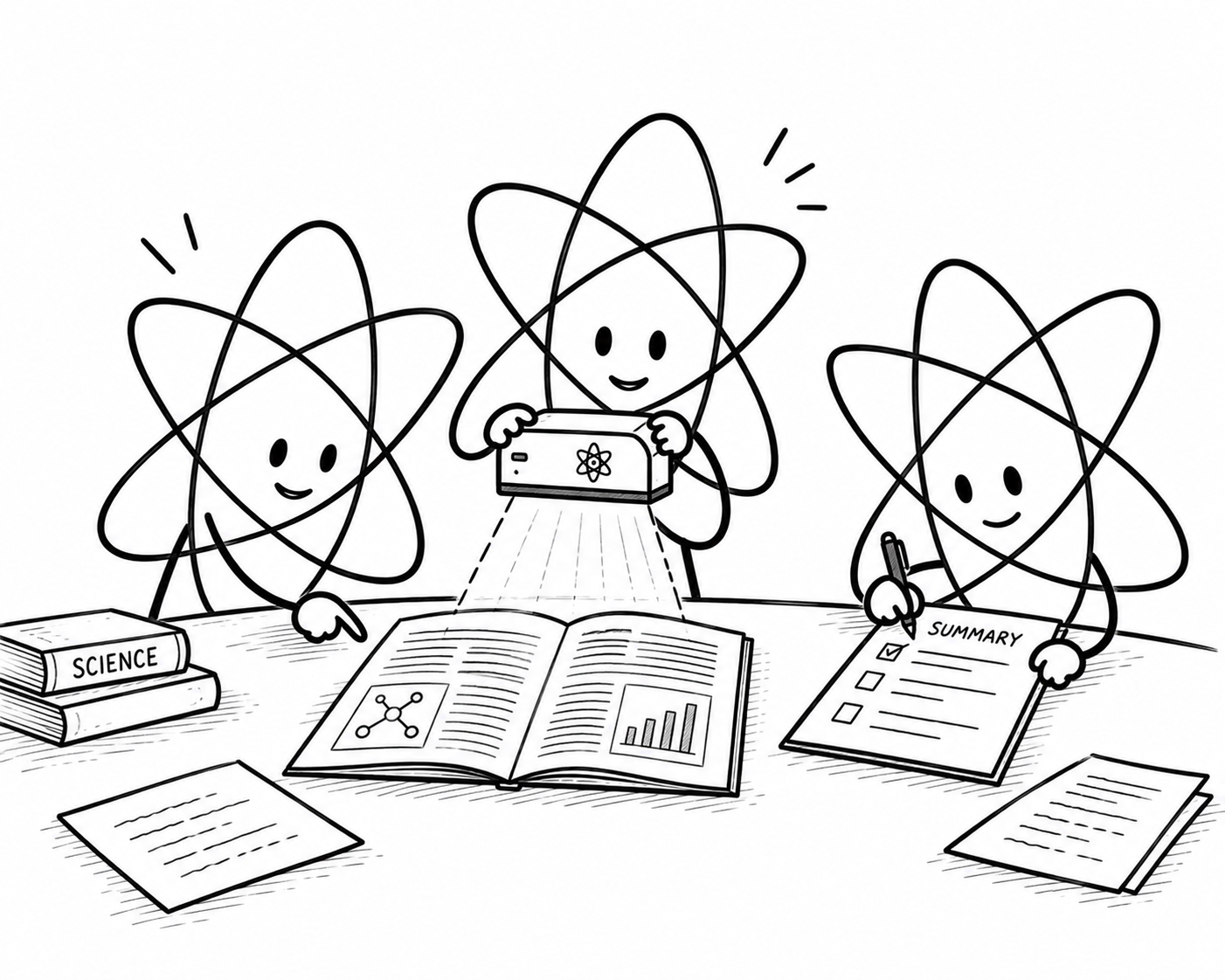
Article scan in ten minutes
Students quickly map the structure, core claim, audience and uncertainties of a scientific article in small groups, without needing to understand every detail.
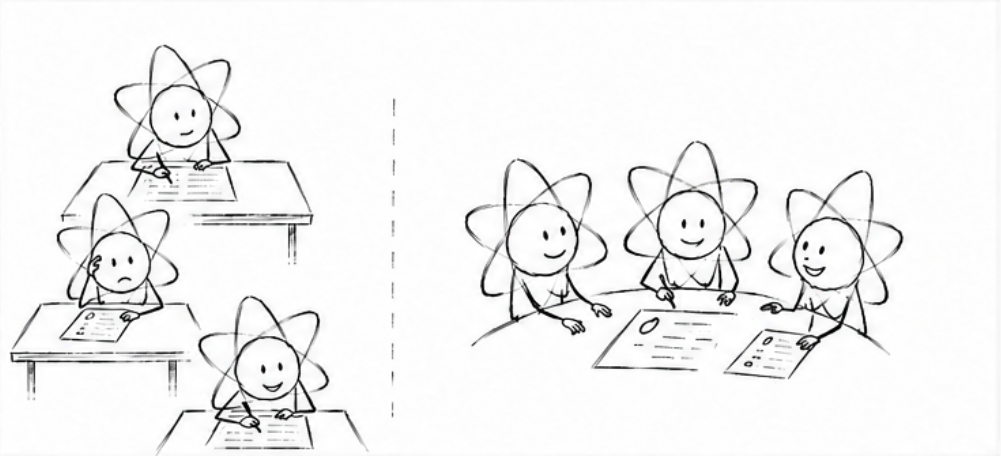
Assignment X
Students work (individually and/or in small teams) on a key assignment, submit their solution, and one or more student approaches are used for plenary explanation and feedback.
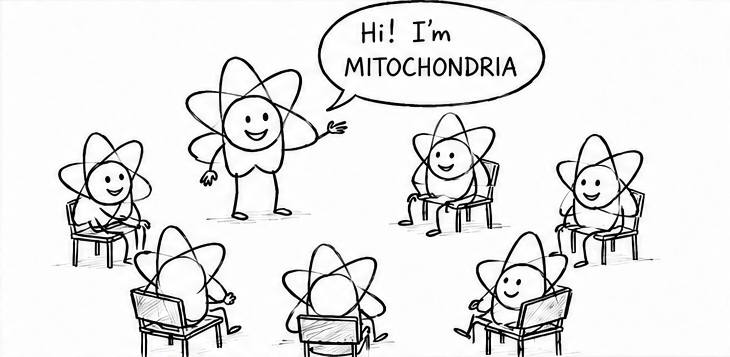
Break the ice and gain insight
Students choose a course-related “element” to introduce themselves in the first meeting and later reflect on this choice in a bonus exam question, revealing both their learning and personal connection to the topic.
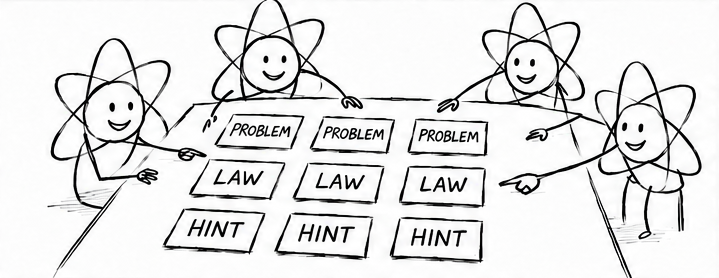
Card set: Combine and calculate
Turn a complex, relevant phenomenon into a collaborative puzzle in which student teams use colour‑coded cards (problem, law, hints) to work through and discuss quantitative solutions together.
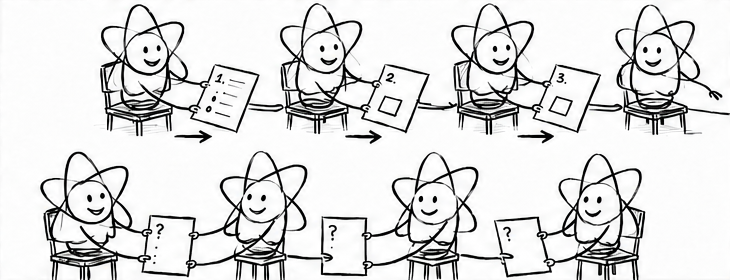
Conveyor belt problem solving
Students work on a problem step by step, each completing one part before passing their partially solved solution to the next student, who continues with the next step until the problem is fully solved.
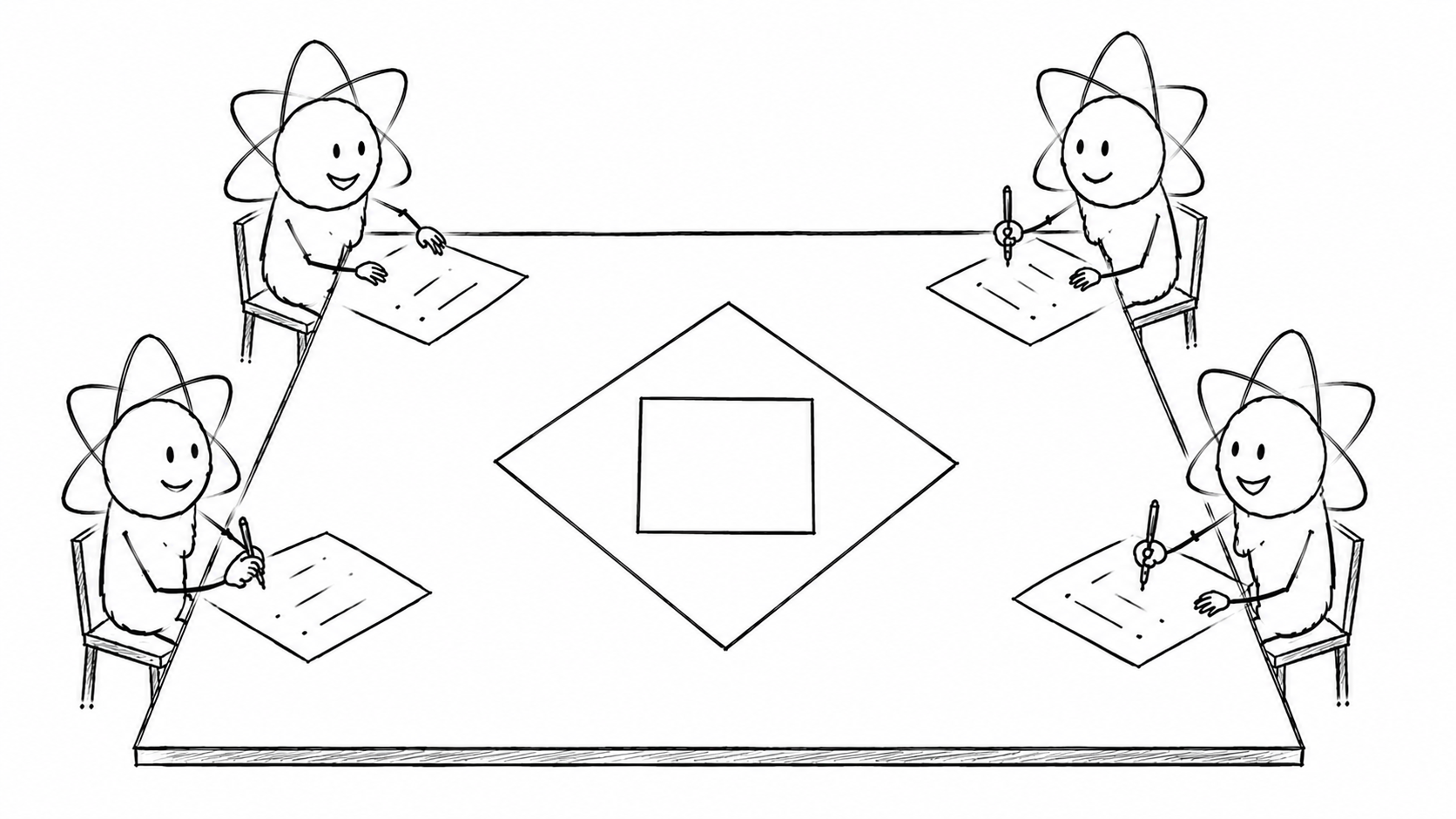
Discussion diamond board
Students first generate their own ideas or solutions and then combine them in small groups into one shared “diamond” solution on paper or a whiteboard.
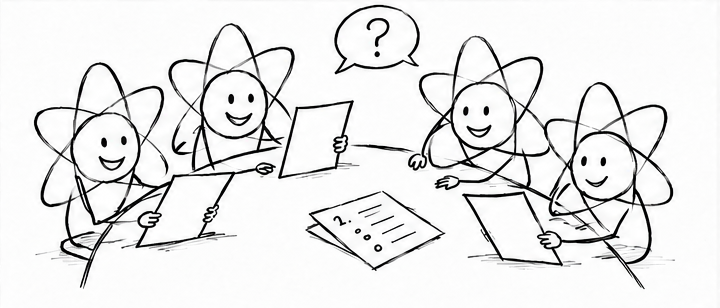
Discussion-based test
Students take a short test on content knowledge or skills and then discuss their answers in small groups before submitting their group answers for feedback or a grade.
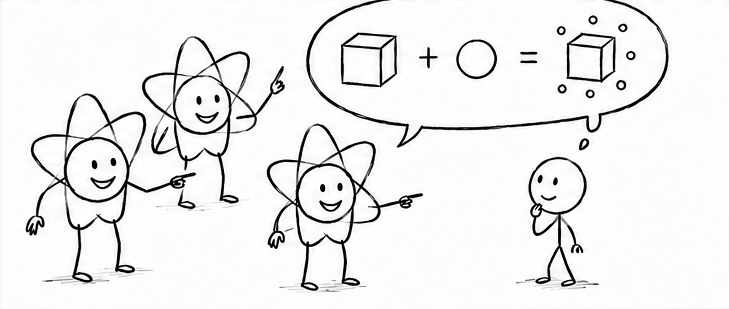
Explain to a child
Students work in small groups to prepare and deliver a simple, layperson explanation of a complex concept, revealing how well they truly understand it.
Explain to your neighbour
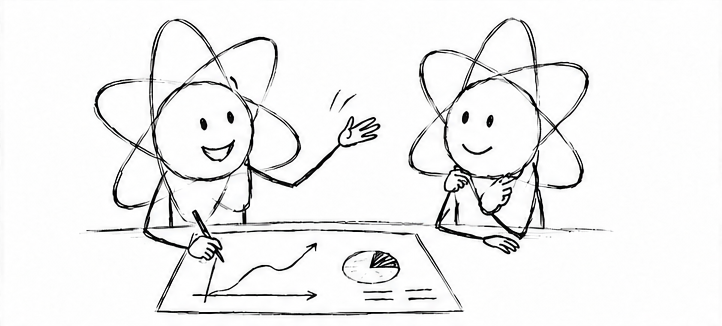
Students briefly re-explain a recently taught topic or assignment to a neighbor in their own words to deepen understanding and reveal gaps.
Gallery brainstorm
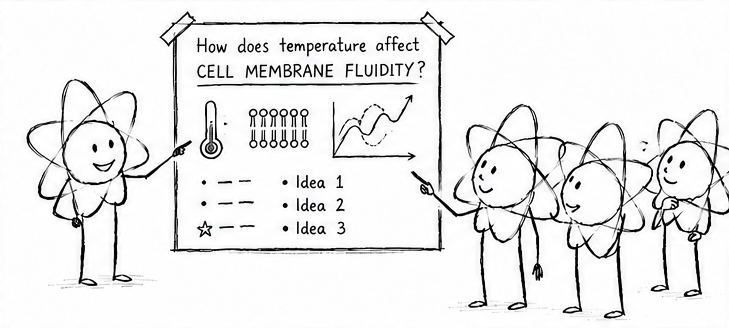
Students circulate between posters or stations with problems or concepts, adding answers and insights so that a collective overview of solutions and perspectives emerges.
In Real Life statistics
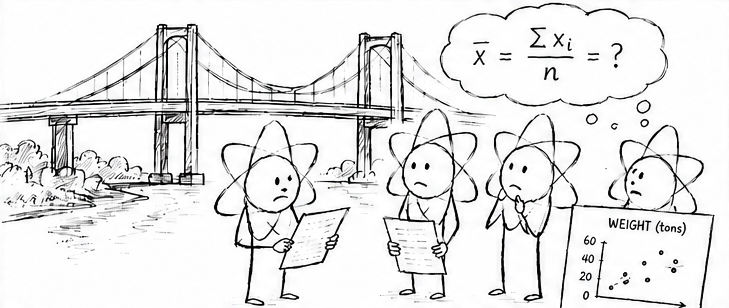
Student teams use real-life datasets to formulate their own research question and carry out a statistical analysis.
In the expert’s shoes
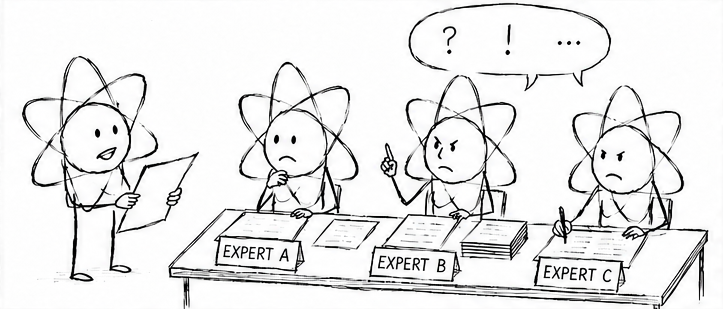
Students act as an expert committee that evaluates and ranks realistic submissions from the field, practising critical judgement and argumentation.