




Common misconceptions about active learning in STEM

As a STEM lecturer, you may have heard persistent rumors that with active learning you can’t lecture anymore, that you need a total course make-over, or that students will resist it. While untrue, these common misconceptions can understandably make you hold back before trying new teaching approaches.

Therefore, on this page the top 10 persistent myths are debunked with evidence‑informed reasons and practical, low‑effort strategies to apply right away.
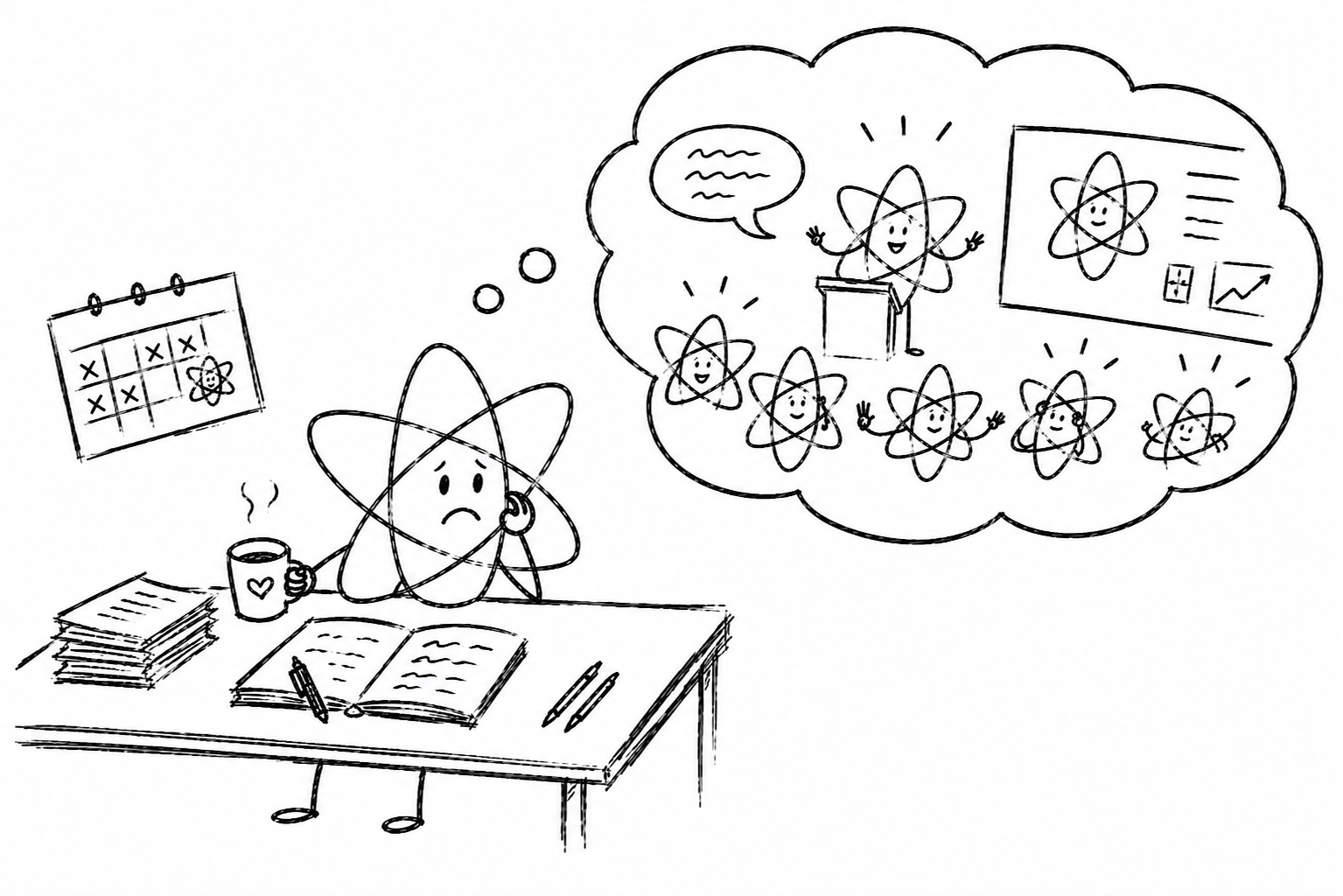

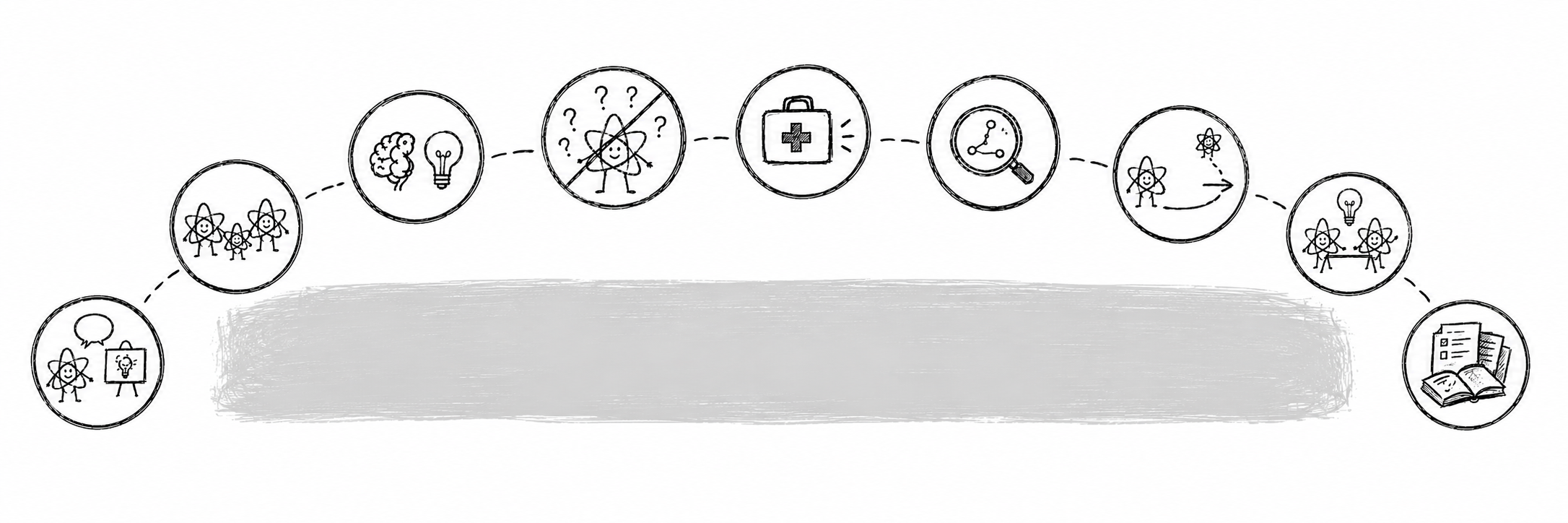
Top ten misconceptions

1. Active learning means: No more lectures

Active learning is not a complete replacement of lectures. It rather is a set of practices that can be woven into, and enrich, a lecture‑based (or any) format.

Debunk this myth!
2. Active learning means: A total, time-consuming redesign

In reality, you can begin with tiny changes that leave your overall design intact and still make a difference.

Debunk this myth!
3. Active learning means: Losing control over what students learn

In reality, well‑designed active learning doesn’t mean abandoning guidance; it means structuring guidance.

Debunk this myth!
4. Students will resist active learning

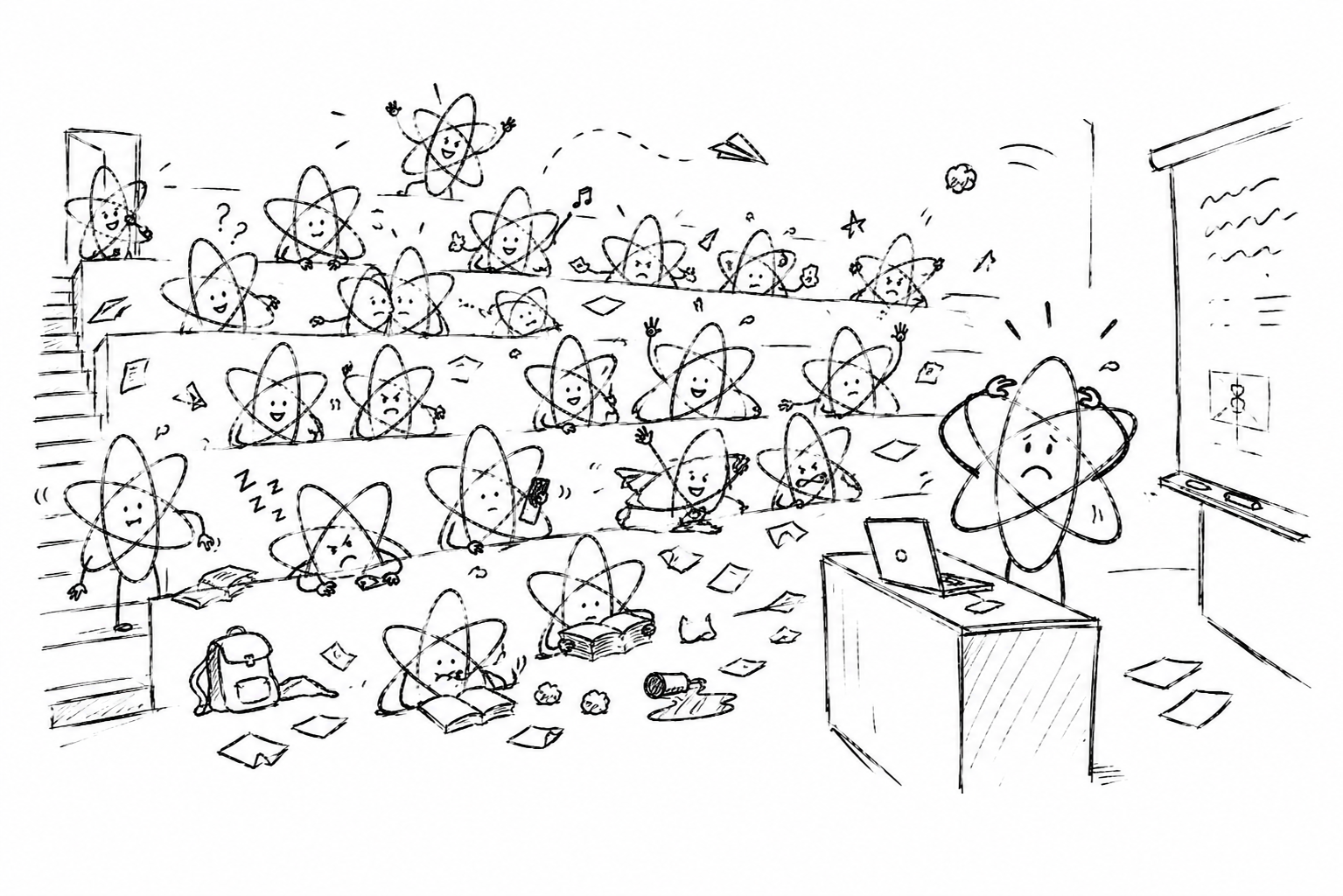
Student resistance is often assumed, yet in reality it is either short-lived, or absent.

Debunk this myth!
5. Active learning doens't work in large groups or a lecture hall

Actually, active learning can easily be implemented even in very large classes, when scaled and structured.


Debunk this myth!
6. Active learning is always group work, too little individual practice

Actually, good active‑learning designs deliberately balance individual practice with peer interaction and group work.

Debunk this myth!
7. Active Learning is only for extraverts, introverts get left out

Good active designs deliberately vary how students participate and thereby caters too various learning preferences.

Debunk this myth!
8 Active Learning doesn't work for quantitative content

Research actually shows that many of the strongest gains from active learning come from quantitative STEM courses.

Debunk this myth!
9. Active Learning only benefits fast learners

The effect of active learning is actually very broad and even narrows achievement gaps for women, minorities, first‑generation and other under‑represented students in STEM.

Debunk this myth!
10. Active learning means: less content coverage

The effect of active learning is actually very broad and even narrows achievement gaps for women, minorities, first‑generation and other under‑represented students in STEM.

Debunk this myth!