







Misconception 7: Active learning is only for extraverts; introverts get left out
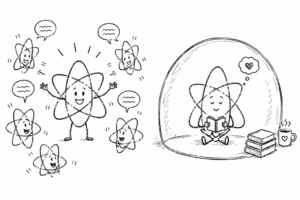
Many lecturers picture active learning as lots of whole‑class discussion, quick volunteering, and speaking up in front of everyone. From that angle, it can seem tailor‑made for extraverted, confident students, while quieter or more reflective students either stay silent or feel uncomfortable. The worry is: “If I make my classes more interactive, the extroverts will thrive and the introverts will suffer”.
Badly designed “interactive” teaching can indeed privilege extroverts if it relies mainly on plenary discussion with a few students dominating. However, good active designs deliberately vary how students participate. They include methods that suit introverts as well as methods that suit extroverts. There are ample methods that do not require immediate answering or speaking up in a large classroom, such as short writing tasks, individual think time before talking, pair work, small groups with clear turn‑taking, quiz questions or polls, and opportunities to contribute anonymously. These make it easier for introverted students to engage, because they lower the social risk and give students time to think before speaking.
- Build in silent‑reflection time, for example, give 2–3 minutes after posing a question for students to make notes or think before collecting answers or starting discussion.
- “Five‑minute reflection sessions” have been reported to spark deeper insights from quiet students.
- Offer written or digital participation channels, for example via Canvas discussions, where students can post ideas anonymously or at their own pace.
- Structure small‑group work with clear roles (p.a. note‑taker, summarizer, time‑keeper). Keep groups to 3–4 students and assign rotating tasks .
- Offer flexible assessment formats, for example, choices such as essays, video presentations, portfolios, or traditional oral reports.
- In peer feedback assignments give clear guidelines and offer options for written feedback before spoken feedback.
- Have students review material beforehand and submit short written reflections; class time then focuses on applying ideas in low‑pressure settings.
- Let students know in advance when they are expected to discuss or be outspoken. Post the topics and any questions ahead of time so introverts can prepare thoughts before class.
- Avoid random cold‑calling; use “raise‑hand” or “volunteer‑first” policies and encourage respectful peer feedback.
- Read more about getting all students on board here.
Aji, C. A., & Khan, M. J. (2019). The Impact of Active Learning on Students’ Academic Performance. Open Journal of Social Sciences, 7(3), 204-211. https://doi.org/10.4236/jss.2019.73017
Condon, M., & Ruth-Sahd, L. (2013). Responding to introverted and shy students: Best practice guidelines for educators and advisors. Open Journal of Nursing, 3(7), 503-515. https://doi.org/10.4236/ojn.2013.37069
Dzaiy, A., & Abdullah, S. (2024). The Use of Active Learning Strategies to Foster Effective Teaching in Higher Education Institutions. Zanco Journal of Humanity Sciences, 28(4). https://doi.org/10.21271/zjhs.28.4.18
Flanagan, K. M., & Addy, H. (2019). Introverts Are Not Disadvantaged in Group-Based Active Learning Classrooms. Bioscene: Journal of College Biology Teaching, 45(1), 33-41.
Shamsi, S. Z. Z., Mehmood, S., Mahmoona, S., & Fakhar-Ul-Zaman. (2024). Designing Effective Teaching Strategies for Introverted Learners: A Practical Classroom Framework. 2(No.03), 1-16.