


Video format: classical knowlegde transfer
Classic knowledge transfer involves delivering content with some visual support. This may be a PowerPoint presentation (with images, charts or brief text) or something the lecturer shows on the computer (such as a computer program or a website). The lecturer can write or draw on these visual aids.
Classical knowledge transfer
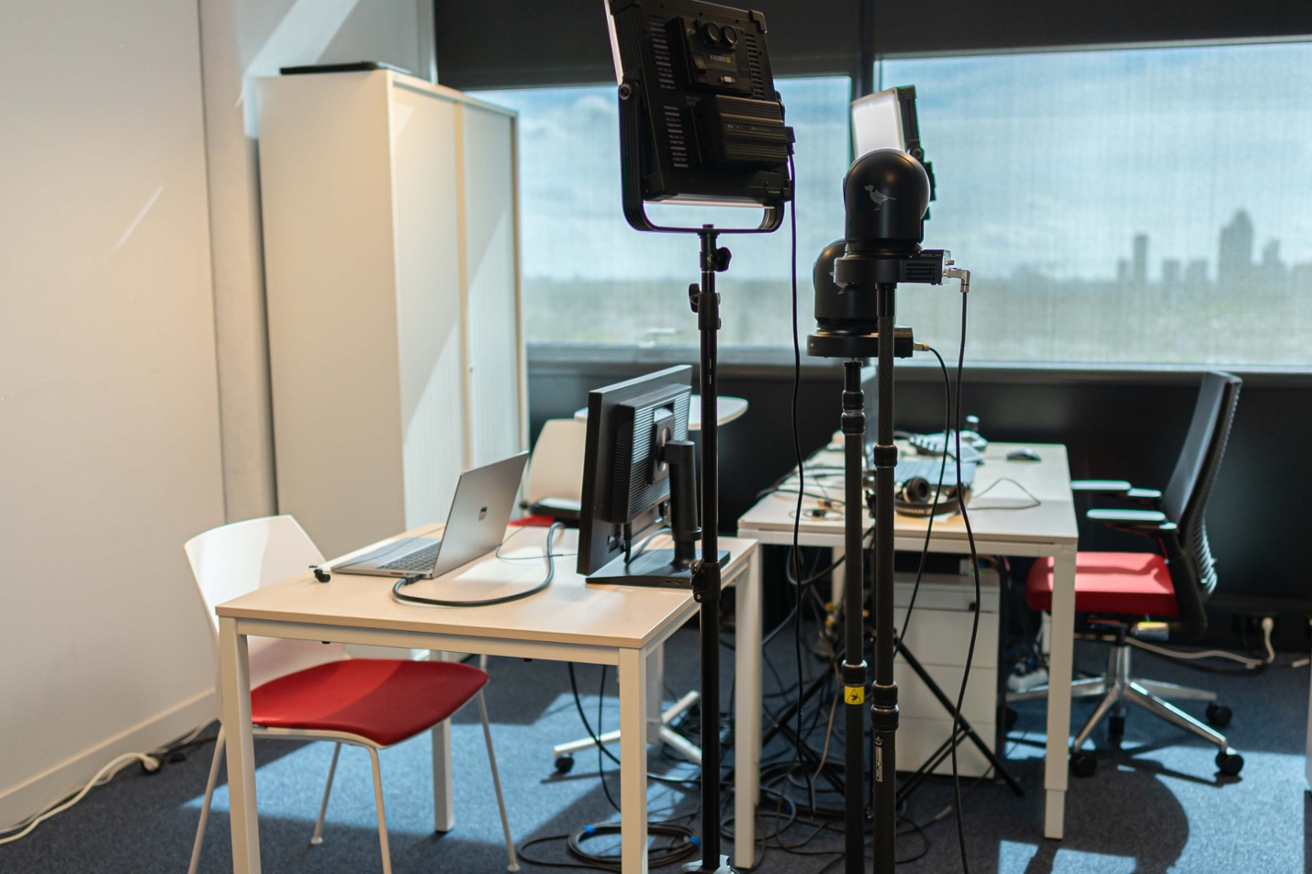
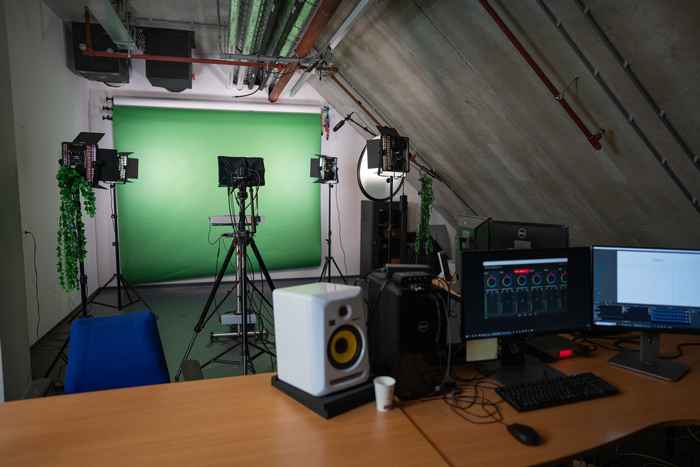
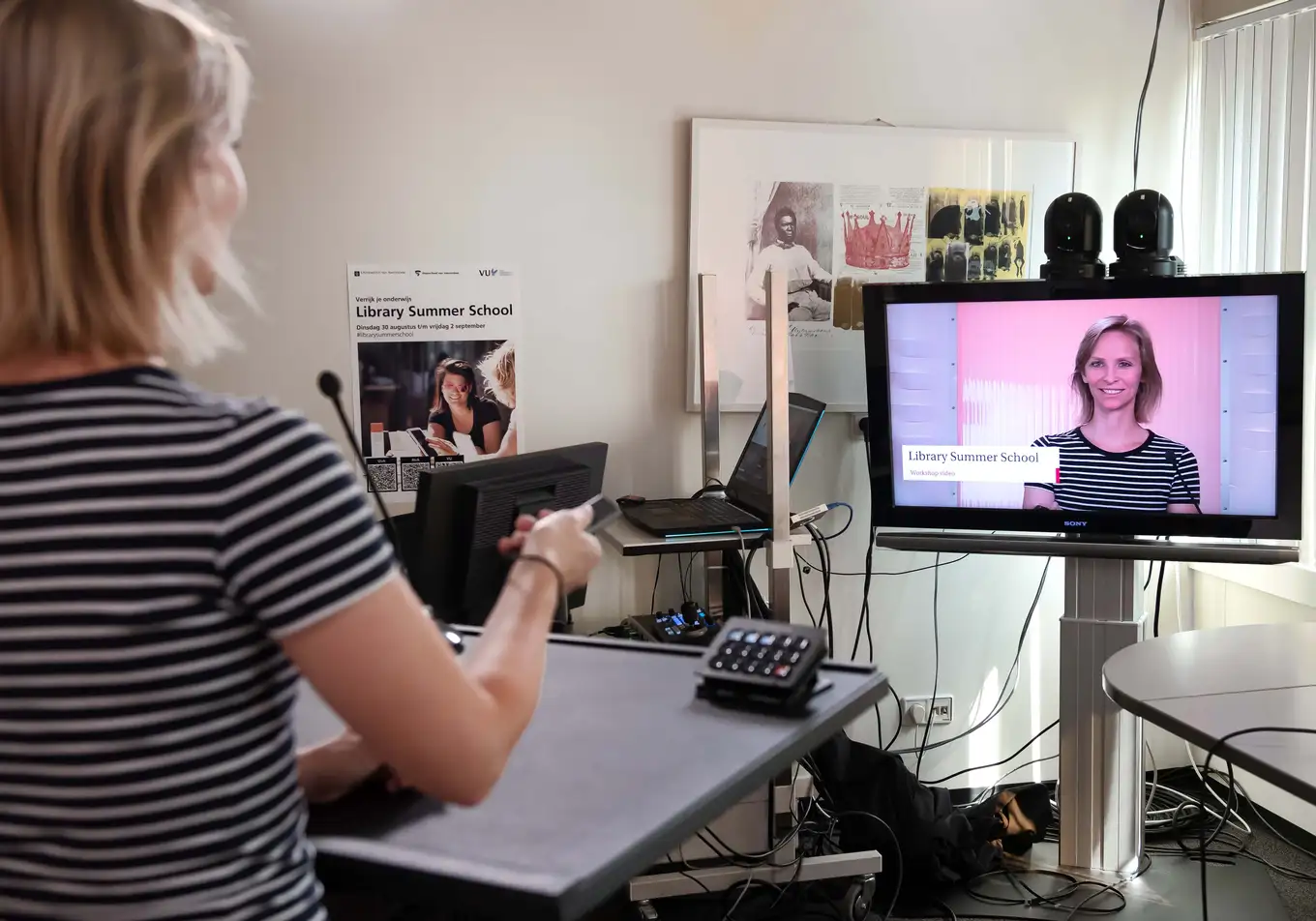
Knowledge clips based on traditional instruction are the most common in education because they closely resemble the instruction given in a lecture. All UvA studios are therefore set up to produce this kind of knowledge clip. Below is the list of UvA studios we recommend for this purpose.
Lightboard recording
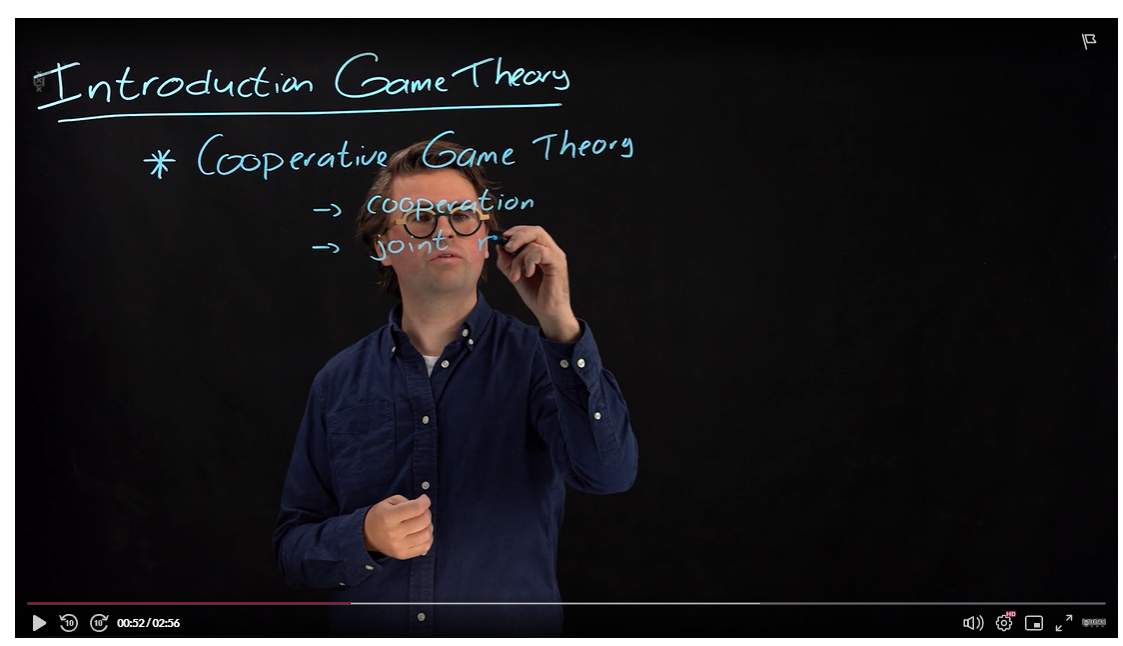
A lightboard recording is a knowledge clip recorded using a lightboard, also known as a learning glass. A lightboard is ideally suited to explaining complex processes.
Good preparation of your presentation and drawings is important. You will need to take the dimensions of the lightboard into account; all drawings and text must fit within its boundaries. (You can pause during a recording/presentation, but the drawings cannot be redone within the same take.) During editing, the recordings are mirrored. In terms of clothing, avoid logos as well as fine stripes and small polka dots. Cue cards may be used in the studio. We don’t advise using an autocue!
What are the costs?
In most cases, faculties have arrangements in place for recording straightforward knowledge clips and lecturers are not charged. For special requests, charges may apply. Please enquire with the studio or your faculty TLC.