






Best practice stories about active learning
Discover how your peers at the Science Faculty or beyond have turned courses where students or lectures struggled, into active learning experiences. Each story shows the lecturers ‘rationale’, practical steps, real student reactions and the lessons learned along the way. Browse the collection and pick the approach that sparks your interest, and feel free to reach out to those peers who’ve inspired you.
Did you also design an active learning approach that you would like to share with peers? Or do you know a colleague who’s active teaching approach deserves a spotlight? Get in touch with us via tlc-science@uva.nl.
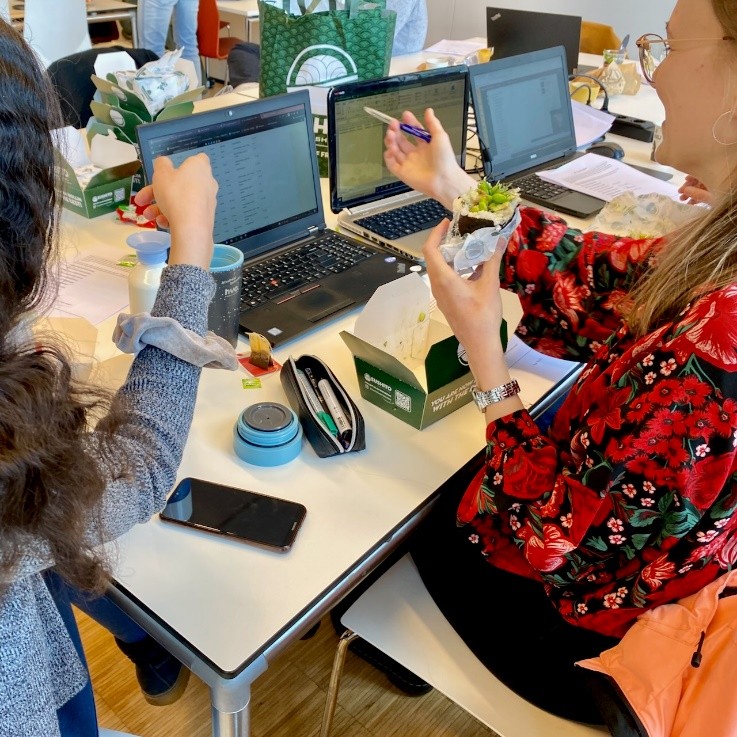
How the Programming minor creates more space for learning how to program by reducing the focus on grades and deadlines, and put the emphasis back on actual and ample practice.
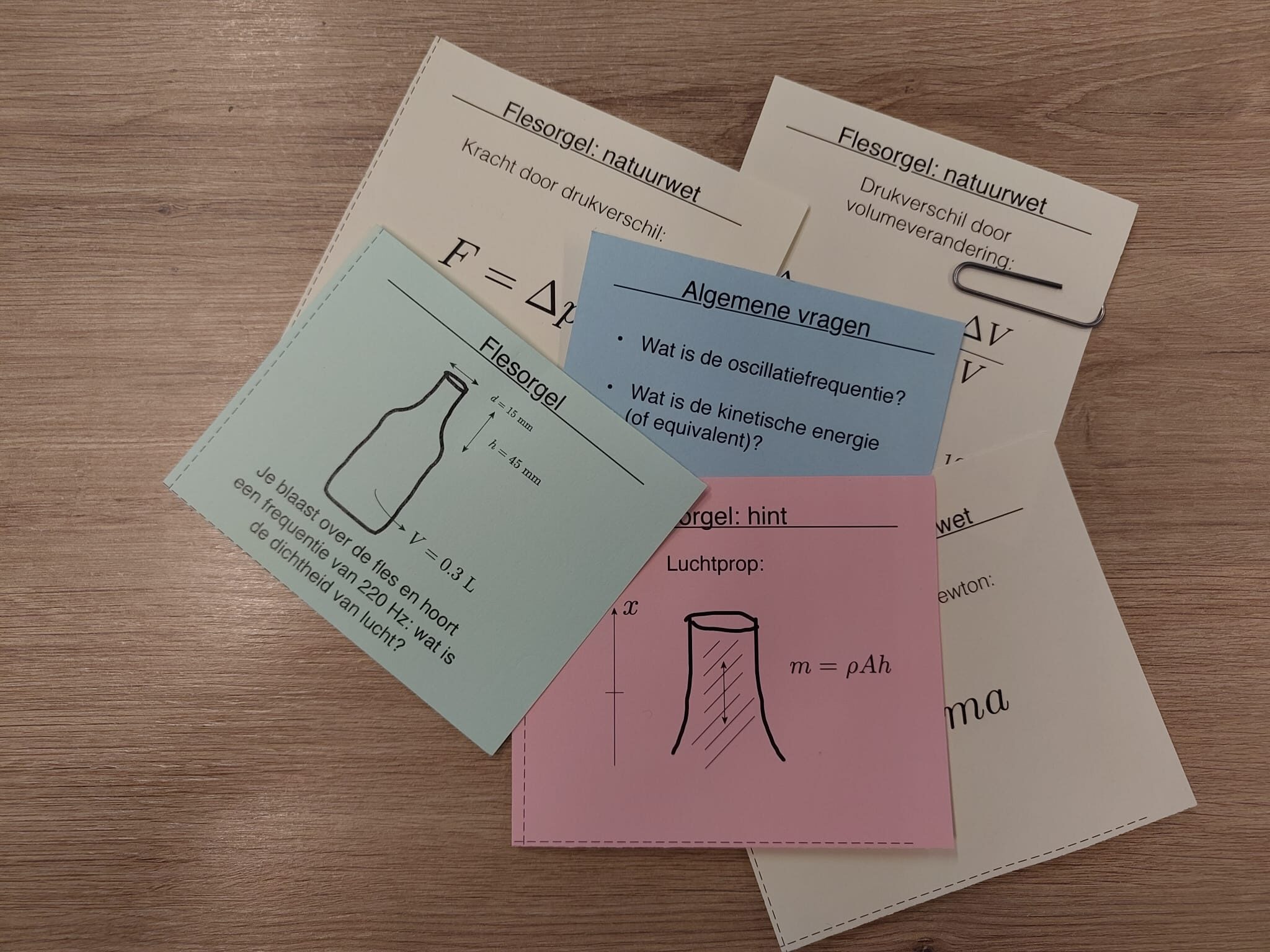
How a combination of in‑class online tests and card‑based group puzzles on realistic phenomena super-boosted pass-rates and student attendance, even in non-mandatory classes.

How students are supported to learn to apply statistics; by boosting autonomy and connecting statistical theory to real data, using weekly tests and mini‑projects.

Keep the lecture format, but redesign what happens in those two hours, so that students think and work almost continuously.

A simple, content-connected icebreaker in Molecular Cell Biology at AUC boosts classroom social connection, creates a personal start, and a meaningful wrap‑up.

Gerald Feldman describes how he brought the SCALE‑UP collaborative learning approach from George Washington University to the first‑year Quantum Physics I course at the University of Amsterdam.
Students take on a real-life role in this project day where they’re confronted with the ethical, and often difficult, choices behind testing animals.

A lab-session design based on cognitive load theory that super-boosted student engagement; by front‑loading theory, giving targeted feedback, and letting students make real experimental choices.

Students work in teams through a story‑driven sequence of puzzles that cover the course content, giving them a “competitive yet cooperative” challenge while immediately seeing how well they master the contents.

A simple, free, self-designed GenAI‑vibe-coded app that tackles maths anxiety. No complex coding expertise necessary; as a lecturer you can build this yourself!