







Break the ice and gain insight
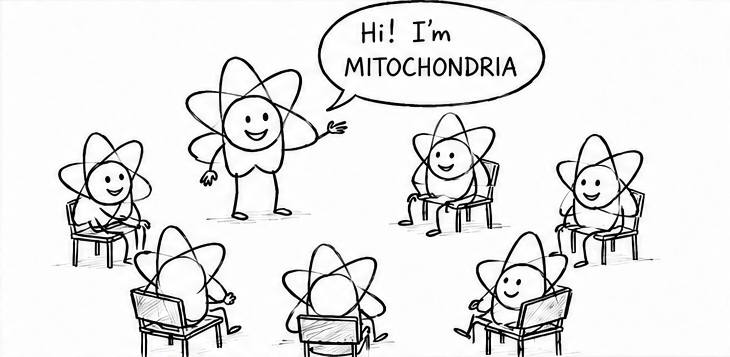
Students choose a course-related “element” to introduce themselves in the first meeting and later reflect on this choice in a bonus exam question, revealing both their learning and personal connection to the topic.
Teaching complexity
Have an open and informal attitude in the ice breaker activity (consider preparing one for yourself too), and be ready to be pleasantly surprised by student answers in the bonus exam question.
Why it works
When a difficult topic is taught intensively to a diverse group, a sense of community helps students feel they belong and learn more effectively (also see this article about student social activities). This activity uses a course-related icebreaker to let students get to know each other, while you gain insight into their prior knowledge and can ask follow-up questions. The exam reflection closes the loop. The aim is to break the ice in a playful way, and help students articulate how their understanding of the material (their chosen element) has evolved.
Five step plan
- Choose an element: Decide on a type of “element” students can use to introduce themselves (e.g. a cell type, number, molecule, phenomenon, atom, structure in space, insect, etc.).
- Plan the first-session icebreaker: In the first group meeting (e.g. tutorial), reserve time for the activity, explain the task, and give students a few minutes to pick their favourite element and prepare their introduction.
- Run the introductions and questions: Let each student introduce themselves via their element; ask follow-up questions yourself and invite students to question each other, stressing that it is informal, questions are welcome, and it is fine not to know all answers.
- Add a bonus exam question: In the final exam, include a bonus question where students reflect on their chosen element: Would they pick the same one, why or why not, and how does new course knowledge change their view? Award the full bonus only when new knowledge is clearly used.
- Share and appreciate reflections: Afterwards, consider sharing a selection of answers with the group and briefly comment on what you appreciated in their reflections.
Use a bonus point in the final exam (e.g., 0.5 point for a simple rationale and 1 point when new knowledge is clearly integrated into the reflection).
U-shape.
- Choose an element type broad enough that students do not all pick the same example.
- If students are shy, model the activity by going first with your own element.
- Be openly appreciative of all choices, even unexpected ones.
- Take brief notes of each student’s element so you can refer back to them and check exam reflections accurately.
- Time in the first session to run the icebreaker and note each student’s chosen element.
- Space in the final exam for a bonus reflection question.
Key advice
A safe and informal atmosphere is crucial for students to associate freely and not feel shy the first tutorial.